Updated: October 11, 2025
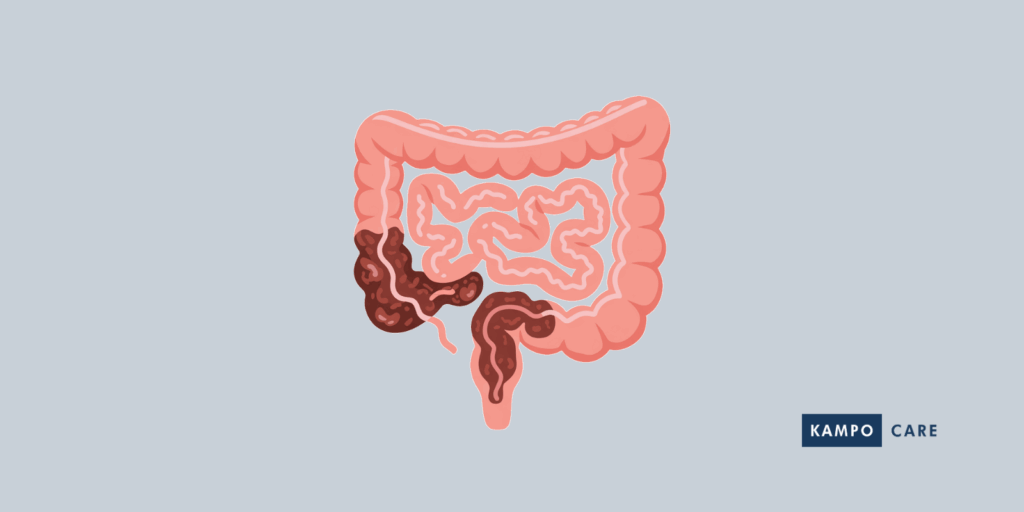
Constipation is a common digestive issue involving infrequent, difficult, or incomplete bowel movements—usually fewer than three times a week. It often includes hard stools, straining, or a sense of incomplete evacuation, and may be caused by diet, dehydration, inactivity, medications, or health conditions.
When stool stays in the large intestine too long, it loses moisture and hardens. This makes it harder to pass, causing buildup and leading to constipation.
Kampo Self-Check for Constipation
1. Dryness Type
2. Spasmodic / IBS-Type
3. Heat-Type
4. Qi Deficiency Type (Rectal prolapse)
Kampo’s Perspectives on Constipation
1. Dryness-Type Constipation
In Kampo medicine, this type involves hard, dry stools that are difficult to pass. It often affects the elderly or those with fluid deficiency. Common signs include dry skin, bloating, and occasional breakouts, reflecting internal dryness and weakness.
1. Dryness-Type Constipation
In Kampo medicine, this type involves hard, dry stools that are difficult to pass. It often affects the elderly or those with fluid deficiency. Common signs include dry skin, bloating, and occasional breakouts, reflecting internal dryness and weakness.
- Wetness Medicine Link – This Kampo view is similar to dehydration-related constipation in Western medicine. It often affects older adults or those with low fluid intake. Signs may include dry skin, bloating, and occasional breakouts, reflecting internal dryness and reduced digestive function.
- Tea Care – Licorice root & Mallow flower Tea help moisten the intestines and ease dry stools. They can be combined with other herbs like Jujube or Rehmannia to support hydration and gentle relief.*
2. Spasmodic / IBS-Type Constipation
This type is linked to stress and tension, often due to Liver Qi stagnation in Kampo medicine.
- Wetness Medicine Link – This Kampo view is linked to Irritable Bowel Syndrome (IBS) in Western medicine, with symptoms like alternating constipation and diarrhea, bloating, cramping, and gut sensitivity. Emotional stress often worsens symptoms, and there may be frequent urges but little stool passed.
- Tea Care – Citrus peel & Bupleurum Tea are used to support Liver Qi flow and help relieve stress-related digestive issues like spasmodic constipation.*
3. Heat-Type Constipation
This type involves hard stools, a red face, and irritability—linked to internal heat and stagnation in Kampo medicine.
- Wetness Medicine Link – This Kampo view is similar to diet-related or inflammatory constipation in Western terms. Hemorrhoids, bloating, acne, and abdominal fullness are common. Often seen in those who eat a lot of spicy, greasy, or fried foods.
- Tea Care – Chrysanthemum and Dandelion Root Tea help clear heat and reduce inflammation. They can be combined with citrus peel or skullcap root to relieve bloating and support digestion.*
4. Qi Deficiency/Rectal-Type Constipation
This type is due to weak digestive Qi (energy), leading to poor intestinal movement. It often appears in people who are fatigued, pale, or short of breath. You may feel the urge to go but lack the strength to push. In Western terms, it resembles slow-transit constipation linked to low energy or post-illness weakness.
- Wetness Medicine Link – This Kampo view corresponds to slow-transit constipation, often seen in individuals with low energy, fatigue, or recovery after illness. The intestines lack the strength to move stool efficiently, leading to infrequent or incomplete bowel movements.
- Tea Care – Jujube & Licorice Root Tea help gently boost Qi and support digestion. Often used together to nourish weakness and improve bowel function.*
Kampo Therapy Q&A
Q: What are some ways to improve constipation?
Many people, especially those with busy mornings, tend to ignore the urge to poop, but holding it in can cause stool to remain in the intestines, where it may harden over time and lead to constipation.
- It’s important not to ignore the urge to defecate, maintain a regular toilet routine, and manage stress through adequate sleep and a balanced lifestyle, as stress can disrupt the autonomic nervous system and negatively affect digestion.
- A well-balanced diet is essential for maintaining regular bowel movements. Aim for three meals a day and focus on consuming fiber-rich foods, adequate water, and probiotics such as yogurt.
- Regular physical activity also helps strengthen muscles and stimulate intestinal movement. Incorporating scheduled exercise into your daily routine can be highly beneficial. With these lifestyle changes, constipation can often be managed effectively without the need for medication.
Q: Are Kampo herbs safe for long-term use in treating constipation?
Some Kampo formulas contain herbs with sennoside, which stimulates the intestines to promote bowel movements. While effective short-term, long-term use is not recommended without guidance, as it can cause tolerance and weaken natural bowel function.
To use Kampo herbs safely:
- Consult a qualified practitioner for long-term use
- Use as directed and avoid overuse
- Support digestion with diet, exercise, and hydration
The information on this page is for educational purposes only and is not intended to diagnose, treat, cure, or prevent any disease. Instead of self-diagnosing, we encourage you to consult a qualified healthcare provider for proper guidance and care.