Updated: July 15, 2025
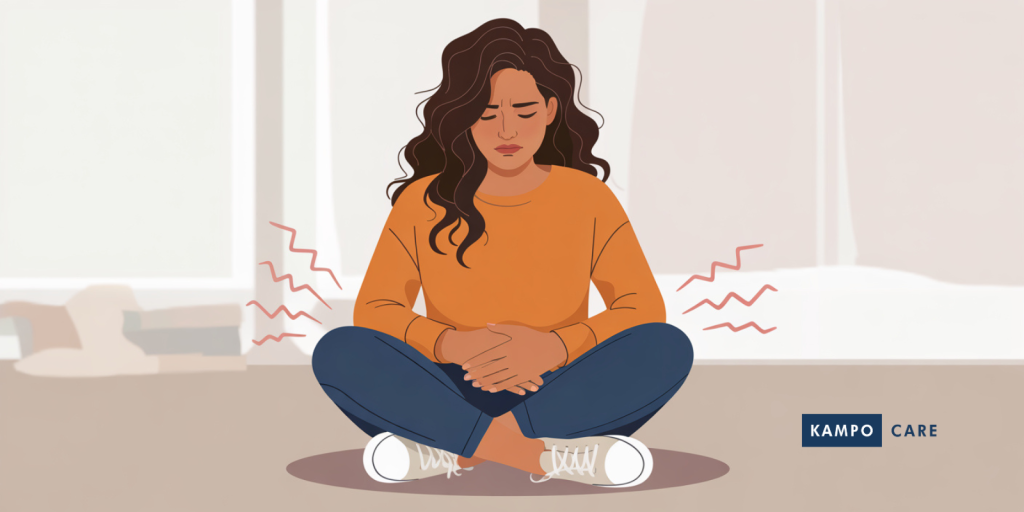
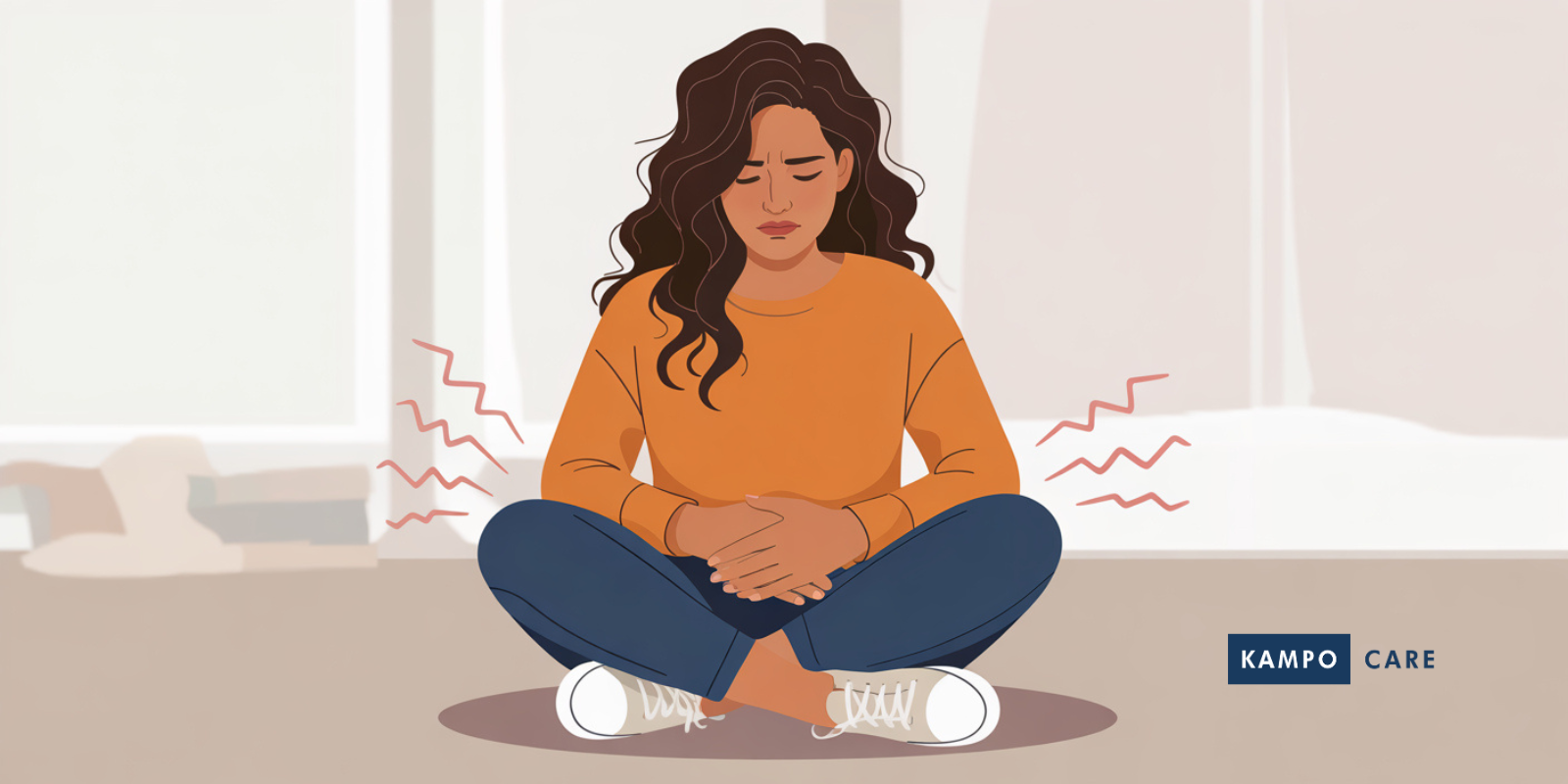
Menstruation occurs when the uterine lining (endometrium), which thickens in preparation for pregnancy, is no longer needed and is shed along with blood when pregnancy does not occur.
During this process, the muscles of the uterus contract to push out the menstrual blood through the cervix. These contractions are what cause menstrual pain. Mild menstrual cramps are a normal part of menstruation. However, when the pain becomes strong, persistent, or disabling, it is called dysmenorrhea.
Several factors can disrupt hormonal balance and make menstrual pain more intense and frequent, including stress, fatigue, lack of sleep, autonomic nervous system imbalances, sensitivity to cold due to poor circulation, and an unhealthy diet.
Kampo Self-Check for Dysmenorrhea
1. Blood Stasis
2. Qi Stagnation
3. Cold Accumulation
4. Weak Constitution (Qi & Blood Deficiency)
Kampo’s Perspectives on Dysmenorrhea
1. Blood Stasis
Blood does not flow smoothly, leading to sharp, stabbing pain during menstruation. Symptoms often include strong cramps, dark or clotted menstrual blood, and pain that is relieved once bleeding starts.
- Western Medicine Link – In Western medicine, these symptoms may relate to uterine contractions, inflammation, or conditions like endometriosis and fibroids, where structural factors disrupt blood flow. Clots and severe cramping can also reflect elevated prostaglandin levels, which trigger stronger uterine spasms and heightened pain sensitivity.
- Tea / Food Support – Rose Tea + Chamomile + Citrus peel (orange peel or lemon balm) help calm mood, support digestion, gently move Qi.*
2. Qi Stagnation
Stagnation occurs when emotional stress or lifestyle factors block the flow of energy, causing pain before or during periods. Common symptoms include lower abdominal tension, irritability, and breast tenderness before menstruation.
- Western Medicine Link– In Western medicine, these symptoms align with PMS, influenced by hormonal changes—especially in estrogen and progesterone. Stress can worsen symptoms by disrupting the hormonal axis, leading to mood swings and physical discomfort.
- Tea / Food Care –Hibiscus Tea + Ginger + Turmeric help promote circulation, reduce inflammation, ease cramping.*
3. Cold Accumulation
This pattern is caused by exposure to cold or weak internal warmth, leading to stagnation and cramping pain. Symptoms typically include cold hands and feet and menstrual pain that feels better when warmth is applied, such as with a hot water bottle.
- Western Medicine Link – In a Western perspective, cold may reduce blood flow and increase muscle tension, worsening uterine cramps. While not a primary cause of PMS, cold exposure may affect vascular tone or arterial stiffness, which may lead to discomfort in some individuals. Applying warmth improves circulation and relieves pain, aligning with Kampo practices.
- Tea / Food Care – Cinnamon + Fresh Ginger + Jujube help warm the body, improve blood flow, relieve cold-induced cramps.*
4. Weak Constitution (Qi & Blood Deficiency)
Deficiency patterns arise when there is a weakness of blood, Qi, or Kidney energy, resulting in poor circulation and increased sensitivity to pain. Symptoms may include dull menstrual pain, fatigue, and heavy or very scanty periods.
- Western Medicine Link – In a Western perspective, these signs may relate to conditions such as anemia, low energy metabolism, or hormonal insufficiencies. These can result in reduced oxygen delivery and overall vitality, making the body more prone to fatigue and pain during menstruation.
- Tea / Food Care – Goji Berries + Jujube + Nettle or Licorice Root Tea help nourish blood, boost energy, support recovery during menstruation.*
Kampo Therapy Q&A
Q: How does Kampo Medicine help Dysmenorrhea?
Kampo medicine helps relieve menstrual cramps by improving blood flow, warming the body, relaxing tension, and boosting energy. Instead of just masking symptoms, it supports the body’s natural balance.
It’s especially helpful for PMS and menstrual issues, as it considers both emotional and physical causes. By looking at the whole body, Kampo offers personalized formulas to ease discomfort and support overall well-being
Notice: The information on this page is for educational purposes only and is not intended to diagnose, treat, cure, or prevent any disease. Instead of self-diagnosing, we encourage you to consult a qualified healthcare provider for proper guidance and care.