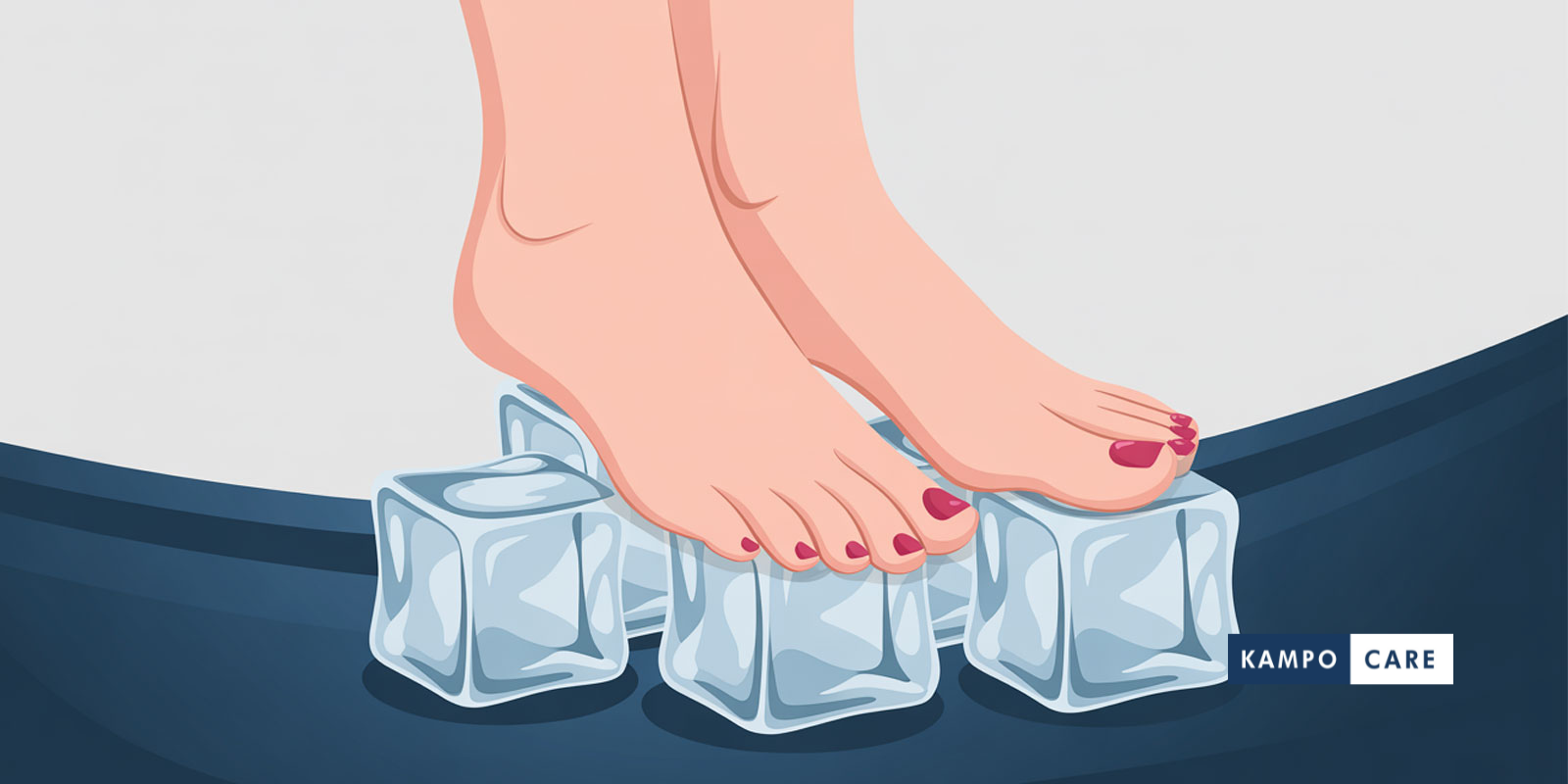
Updated: July 15, 2025
Many people experience cold intolerance, feeling chilly even when the temperature isn’t that low. This can be due to physiological factors such as low body weight, low body fat, poor circulation, low muscle mass, hormonal imbalances (like hypothyroidism), low blood pressure, or a slower metabolism.
However, from a Kampo perspective, cold intolerance goes beyond simple physiology—it’s a reflection of how external factors like environment and lifestyle, as well as internal patterns such as digestive function and fluid metabolism, disrupt the body’s natural balance.
Kampo Self-Check for Coldness
External factors
External factors
Kampo's Perspective on Coldness
In Kampo medicine, cold is considered a harmful influence that can disrupt the flow of Qi and blood, especially when the body’s defenses are weakened.
External Factors
In Kampo, cold is seen as a pathogenic factor that can disrupt the flow of Qi and blood. Exposure to cold weather or air conditioning, especially when you’re fatigued or sleep-deprived, weakens Defensive Qi and makes the body more vulnerable.
Wearing tight clothes, going barefoot, or not dressing warmly can restrict circulation—especially in the lower body. Kampo emphasizes keeping the feet and lower abdomen warm to support kidney function and overall balance.
- Western Medicine Link – From a Western perspective, cold exposure can cause blood vessels to constrict, reducing circulation to the extremities. Fatigue and lack of sleep may also impair immune function, making the body more susceptible to environmental stress. Both views highlight the importance of warmth and rest in maintaining overall health.
- Tea Care – Ginger-Cinnamon Tea warms the body, boosts circulation, and supports immune defense—ideal for external cold from weather or fatigue.*
Internal Factors
Cold foods and drinks weaken the spleen and stomach, which are central to digestion and fluid balance. This can cause internal cold and water retention, slowing circulation and making the body feel chilly.
Overeating draws blood to the stomach, reducing circulation to the limbs—often resulting in cold hands and feet, a common sign of digestive imbalance.
- Western Medicine Link – Cold foods may slow digestion, especially in those with sensitive stomachs. Overeating redirects blood flow to the gut, temporarily reducing circulation to the limbs—often leading to cold hands and feet, which Kampo views as a sign of digestive imbalance and internal cold.
- Tea Care – Ginger-Jujube Tea warms the stomach, aids digestion, and eases internal cold—great for cold hands after eating or weak digestion.*
Kampo Therapy Q&A
How can Kampo support my body’s natural response to cold?
Coldness in the hands, feet, or lower body is often viewed in Kampo as a sign of poor circulation or Qi (energy) stagnation.
When coldness is in the abdomen or internal organs, it may indicate fluid retention. Generalized coldness throughout the body is typically associated with a Qi deficiency and reduced metabolic activity.
Kampo formulas are selected based on your unique body constitution to support circulation, warm the body, and restore energy balance.*
The information on this page is for educational purposes only and is not intended to diagnose, treat, cure, or prevent any disease. Instead of self-diagnosing, we encourage you to consult a qualified healthcare provider for proper guidance and care.