Updated: July 15, 2025
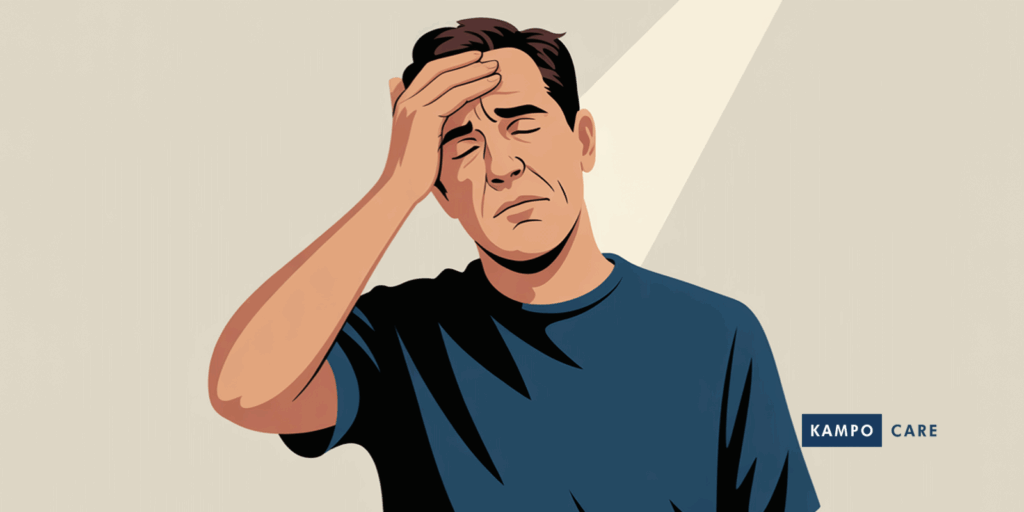
Andropause refers to the gradual decline in testosterone, typically beginning in the late 40s to early 50s. Unlike menopause, which has a clear marker (the end of menstruation), andropause is subtle and progressive, often going unrecognized.
Testosterone levels gradually decline with age, typically beginning in the 50s, and this change can lead to a range of physical, psychological, and sexual symptoms. Men may experience persistent fatigue, reduced libido, mood swings, poor sleep, depression, decreased muscle mass, and difficulty concentrating. These symptoms often emerge slowly, making the transition into andropause feel subtle yet progressively noticeable over time.
Kampo Self-Check for Andropause
Kidney Yin Deficiency
Kidney Yang Deficiency
Qi & Blood Imbalance
The Complexity of Andropause
Just like with menopause, symptoms can vary based on physical, psychological, and environmental factors。
- Physical factors – Decline in testosterone levels, aging, chronic illness, or lifestyle habits
- Psychological factors – Pressure to remain active/strong, stress, feelings of inadequacy
- Environmental factors – Work stress, family responsibilities, loneliness, financial or identity concerns
Kampo’s Perspectives on Andropause
In Kampo medicine, andropauseis linked to Kidney Deficiency, which refers to the gradual decline of the body’s fundamental energy, known as Essence (called 精 “sei” in Japanese), as part of the natural aging process.
Kampo explains the body’s internal balance through three core substances: Qi (vital energy), Blood, and Water (body fluids). These elements help maintain overall balance in the body rather than targeting individual symptoms. When one or more of these substances becomes deficient, stagnated, or excessive, specific patterns of imbalance can arise.
Kidney Deficiency
Kidneys are considered the foundation of vitality, growth, and reproductive energy called Essence. As men age, their Kidney function naturally declines, leading to various symptoms that reflect imbalances in Yin and/or Yang.
- Kidney Yin Deficiency: Yin represents the body’s cooling and nourishing functions. As it declines, symptoms such as hot flashes, night sweats, restlessness, insomnia, lower back pain, and reduced semen volume may appear.
- Kidney Yang Deficiency: Yang provides warmth and energy for the body. When deficient, it can cause cold limbs, fatigue, low libido, frequent urination, lower back weakness, and mild fluid retention such as puffiness or swelling.
Western Medicine Link
- These Kampo patterns closely resemble testosterone deficiency or andropause in Western medicine, where men experience similar symptoms. Kidney Yin Deficiency reflects a decline in the body’s cooling and restorative capacity. Kampo therapy aims to replenish these foundations and support healthy aging.*
Tea / Food Care
- Goji Berry + Chrysanthemum Tea supports Yin, clears mild heat, soothes eyes and mind.
- Black Sesame Seeds, Seaweed, and Tofu help replenish Yin and nourish the Kidneys.
- Pear, Mulberry, and Lily Bulb moistening foods that calm internal dryness and support sleep.
Qi Imbalance (Deficiency / Stagnation)
Qi governs energy flow and vitality. In men, Qi Deficiency or stagnation can manifest during andropause or chronic stress. Common symptoms are fatigue and low motivation, mood swings, irritability, hot flashes or warm sensations and frequent urination or digestive sluggishness.
Western Medicine Link
- This Kampo pattern resembles HPA axis dysregulation or autonomic nervous system imbalance, often seen in chronic stress or hormonal decline. Emotional instability and thermoregulation issues are key features.
Tea / Food Care
- Ginger + Licorice Tea warms and tonifies Qi, supports digestion and nervous system balance.
- Cooked onions + Leeks promote Qi flow and relieve emotional stagnation.*
Blood Imbalance (Deficiency / Stasis)
Blood nourishes tissues and stabilizes the mind. In men, imbalances may arise from overwork, aging, or poor lifestyle. Common Symptoms are palpitations, cold hands and feet, insomnia, dizziness or forgetfulness, dry skin, and fatigue.
Western Medicine Link
- This Kampo pattern resembles anemia, circulatory weakness, or stress-related nervous system depletion. Common during periods of low vitality or mental strain.
Tea / Food Care
- Jujube + Dang Gui Tea nourish Blood and calm the Heart.
- Beets + Leafy Greens support blood-building and circulation.*
Kampo Therapy Q&A
Q. Is andropause a real condition?
Yes. Although not as sudden as menopause, age-related hormone decline is very real and can significantly impact mental and physical health.
Q. Why do some men experience more symptoms?
Men who are highly driven, mentally overstimulated, or suppress their emotions may notice more intense symptoms. Lifestyle, personality, stress, and diet all affect the severity of symptoms.
Q. Can Kampo help with low energy and libido?
Yes. Certain Kampo formulas have traditionally been used to support vitality, healthy circulation, and stress resilience—common concerns during midlife transitions.*
Notice: The information on this page is for educational purposes only and is not intended to diagnose, treat, cure, or prevent any disease. Instead of self-diagnosing, we encourage you to consult a qualified healthcare provider for proper guidance and care.