Updated: July 15, 2025
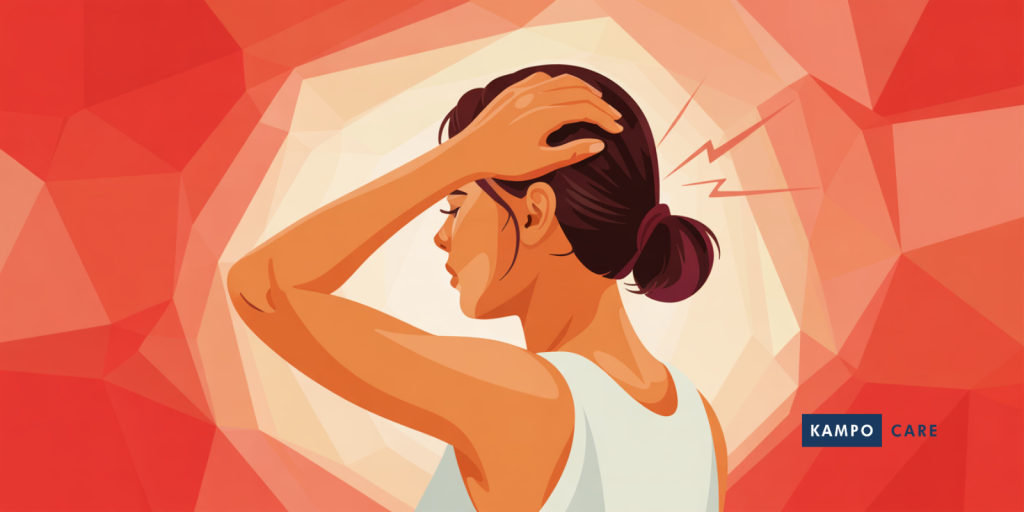
A headache is a common condition involving pain or discomfort in the head, scalp, or neck. It can be caused by stress, fatigue, dehydration, or certain health conditions. The pain may feel dull, sharp, throbbing, or tight, and can last from minutes to hours. Some headaches are mild and go away on their own, while others may require medical attention.
- Migraine: Throbbing pain on one or both sides, often worsened by physical activity, sometimes with nausea or numbness; more common in women.
- Tension Headache: Mild to moderate tightening pain around the head, often linked to stress and muscle tension; usually manageable without major disruption to daily life.
- Cluster Headache: Severe stabbing pain behind one eye with symptoms like tearing and nasal congestion; occurs in clusters for 1–2 months, more common in men.
- Barometric pressure headaches: also known as weather-related headaches, occur when changes in atmospheric pressure, especially rapid drops, trigger a headache or worsen existing
1. Liver Qi Stagnation Headache
- Tension headaches and migraines.
2. Blood Stasis Headache
- Cluster headaches and chronic migraines.
3. Qi Deficiency Headache
- Chronic migraines triggered by fatigue.
4. Wind-Heat Headache
- Headaches from infections or weather changes.
5. Dampness Headache
- Barometric pressure headaches, headaches worsen with humidity or digestive issues.
Kampo’s Perspectives on Headaches
Kampo focuses on internal imbalances as the root cause of pain, often viewing headaches as a result of disrupted Qi and Blood flow in the upper body. When cold is the underlying cause, it may also weaken digestion, leading to symptoms like nausea or vomiting.
Treatment aims to boost Qi, warm the stomach, and improve digestion to restore balance—relieving headaches and related symptoms like nausea, stiff shoulders, and muscle tension.*
1. Migraine
Migraine is often seen as a mix of stagnation (stuck Qi or Blood) and excess heat, or sometimes deficiency if chronic.
- Liver Qi stagnation turning into Liver Heat: strong throbbing pain, worsens with stress.
- Blood Stasis: stabbing, fixed pain; often linked to trauma or menstrual issues.
- Qi and Blood Deficiency: migraine triggered by fatigue, pale complexion, dizziness.
Western Medicine Link – These Kampo patterns closely resemble certain headache types in Western medicine: Liver Heat is often seen in stress-related migraines or tension-type headaches, Blood Stasis is similar to post-traumatic or menstrual migraines, and Qi and Blood Deficiency resembles headaches linked to anemia or chronic fatigue.
Tea Care – Chrysanthemum & Goji Berry Tea helps clear Liver Heat, nourish the blood, and soothe the eyes, making it ideal for migraines caused by stress or fatigue.*
2. Tension Headache
Tension headaches are usually mild and related to stress, tiredness, and stuck Qi.
- Liver Qi stagnation: stress, emotional tension, muscle tightness.
- Qi Deficiency: tiredness causing weakness in circulation, mild headache.
- Dampness or Phlegm: heavy, foggy feeling in the head, sluggish body.
Western Medicine Link – These patterns resemble common tension-type headaches in Western medicine, often associated with stress, muscle tension, poor posture, and low energy.
Tea Care – Peppermint & Licorice Root Tea works to soothe Liver Qi stagnation, relax muscle tension, and support energy flow—making it helpful for tension headaches caused by stress, fatigue, or heaviness in the head.*
3. Cluster Headache
Cluster headaches are often seen as severe stagnation with Wind or Heat involvement.
- Blood Stasis: very sharp, fixed pain behind the eye.
- Wind-Heat or Wind-Cold invasion: sudden onset headaches, eye tearing, nasal congestion.
- Yang Rising: strong upward movement of energy causing intense localized pain.
Western Medicine Link – These patterns resemble cluster headaches in Western medicine, which are marked by sudden, severe pain around one eye, often with autonomic symptoms like tearing, nasal congestion, and restlessness.
Tea Care – Chrysanthemum & Mint Tea works to disperse Wind, clear Heat, and calm rising Yang—helping relieve cluster headaches with eye pain, nasal congestion, and tension.*
4. Barometric Pressure Headaches
Barometric Pressure Headaches (low-pressure headaches) are triggered by drops in atmospheric pressure.
- Dampness: Lower pressure can impair water metabolism in the body, causing Dampness to accumulate. This leads to symptoms such as heaviness, sluggishness, swelling, and a heavy-headed feeling.
- Wind-Damp: External weather changes allow Wind and Dampness to invade the body, which is known as Wind-Damp invasion, an external pathogenic factor.
- Qi Stagnation: Poor circulation of Qi (energy flow) can result in Qi stagnation, leading to a sense of tightness or discomfort.
Western Medicine Link – Weather-related or sinus-type headaches in Western medicine are often triggered by barometric changes. Fluid retention reflects Kampo’s concept of Dampness, inflammation can resemble Wind-Damp invasion, and pressure sensitivity or head tightness corresponds to Qi stagnation, which disrupts the flow of energy in the head.
Tea Care – Ginger & Orange Peel Tea is a warming, aromatic blend that helps resolve Dampness, support digestion, and regulate Qi flow—warming the body, improving circulation, and reducing bloating, heaviness, and stagnant energy.*
Kampo Therapy Q&A
Q: How Kampo can help with Headaches?
To support imbalances in the body that manifest as headaches, Kampo focuses on identifying the root pattern causing the headache, as listed above, rather than simply treating the pain itself.
- Promoting the Qi flow to relieve tension and stress-related headaches
- Improving Blood circulation to address stabbing, fixed pain
- Draining Dampness to reduce heavy, foggy-headed feelings, often seen with weather changes
- Clearing Heat or Wind when there are signs of inflammation, feverish headaches, or sensitivity to weather
- Strengthening the digestive system when headaches are linked to fatigue, poor appetite, or low energy
Q: Other teas for headaches?
In addition to the teas above, Cassia Seed (Ketsumeishi) Tea is traditionally used to ease headaches, irritability, and eye strain caused by excess Liver Heat. It also supports liver function and is naturally caffeine-free, making it safe for children and pregnant women.*
The information on this page is for educational purposes only and is not intended to diagnose, treat, cure, or prevent any disease. Instead of self-diagnosing, we encourage you to consult a qualified healthcare provider for proper guidance and care.