Updated: July 15, 2025
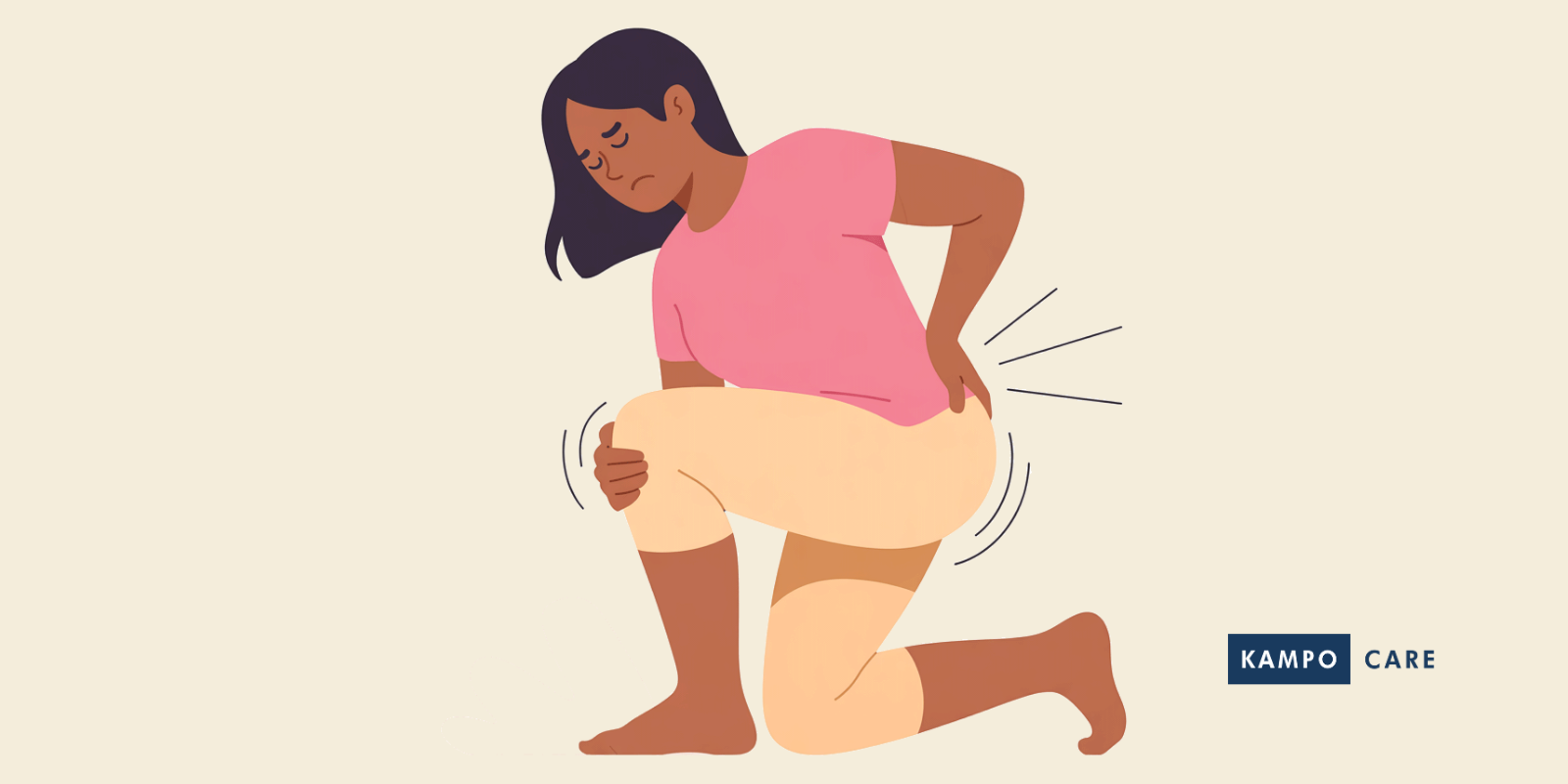
Lower back pain and knee pain are common issues that affect movement and quality of life. Both can arise from muscle weakness or joint dysfunction. The lower back supports the spine and is crucial for movement, while the knee bears much of the body’s weight. Weakness or injury in one area can lead to strain in the other.
In Kampo medicine, these conditions are often linked to imbalances in Kidney Qi and Dampness, which affect the body’s ability to support and move freely. Kampo focuses on restoring balance by strengthening the muscles, nourishing the kidneys, and promoting warmth in the affected areas, helping to alleviate pain and improve mobility.*
Cold-Induced Lower Back / Knee Pain
Chronic Low Back / Knee Pain
Kampo's Perspective on Lower Back & Knee Pain
Cold-induced Lower Back and Knee Pain
Kampo views Cold as a harmful external factor that can invade the body and lead to Qi stagnation and Blood deficiency if left untreated.
This disrupts circulation and nutrient flow, especially affecting the Kidneys and joints. Cold exposure can worsen lower back and knee pain by causing stiffness, muscle tightness, and inflammation, making movement more difficult and painful.
- Western Medicine Link – This Kampo perspective aligns with Western medicine, which also recognizes that cold can reduce circulation, tighten muscles, and worsen joint pain—especially in chronic conditions like arthritis.
- Tea Care – Cinnamon, Ginger, and Jujube Tea help warm the body, improve blood flow, relax muscles, and provide gentle nourishment—supporting both Kampo and Western approaches to pain relief.*
Chronic Low Back and Knee Pain
In Kampo medicine, the Kidneys are believed to govern the bones and joints. Chronic low back and knee pain are often linked to Kidney Yin and/or Yang deficiency. When Kidney Qi is weakened, it can lead to pain, stiffness, and weakness, especially in the lower back and knees.
- Western Medicine Link – This Kampo view aligns with Western medicine, which attributes chronic joint and back pain to age-related degeneration, hormonal changes, and poor circulation—all of which can weaken joint strength and reduce mobility.
- Tea Care – Ginger, Cinnamon, and Goji Berry Teas can help warm the body, improve circulation, and support joint health. Blending these can gently support both Kampo and Western approaches to relieving lower back and knee discomfort.*
Kampo Therapy Q&A
Q: What can I do regularly to prevent lower back pain?
You don’t need intense workouts, but regular movement and muscle strengthening are key for back and knee health. Always stretch before and after activity, and stay well-hydrated to prevent fatigue.
Keep your lower back and legs warm—cold can block the flow of Qi and blood, leading to stiffness and pain. Staying active, warm, and hydrated helps maintain healthy circulation and reduce discomfort.
The information on this page is for educational purposes only and is not intended to diagnose, treat, cure, or prevent any disease. Instead of self-diagnosing, we encourage you to consult a qualified healthcare provider for proper guidance and care.