Updated: November 30, 2025
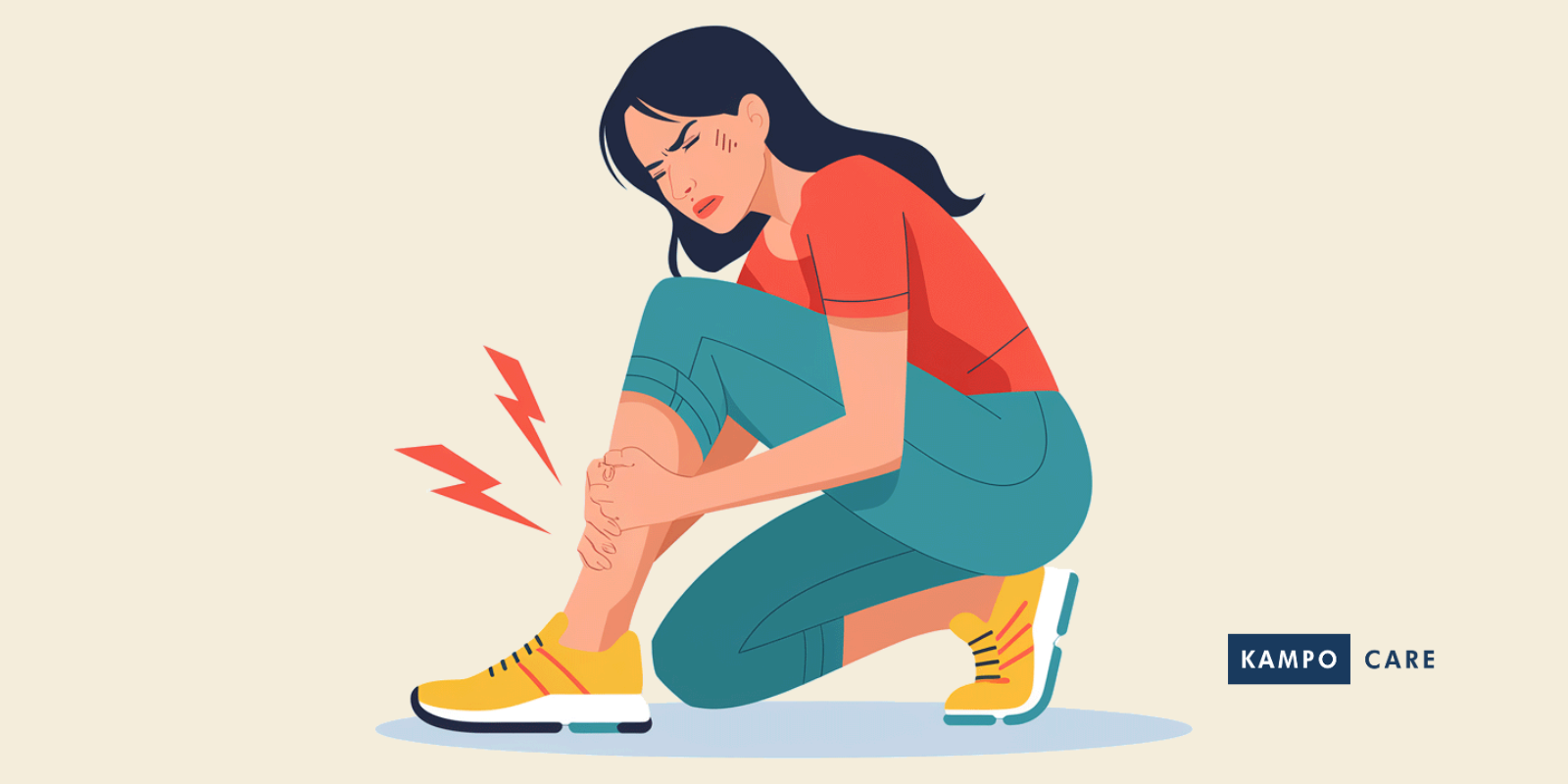
Leg cramps often strike suddenly during exercise or while sleeping, causing intense pain. Many people have experienced cramps that are difficult to soothe once they occur.
It occurs when the calf muscles contract involuntarily, often triggered by sudden activity after inactivity, fatigue, or even light stretching. Weakened physical condition or overuse can make the muscles more prone to spasms.
Why Do Leg Cramps Occur?
The exact cause of leg cramps isn’t fully known, but a common theory is mineral imbalance. Calcium and magnesium are vital for proper muscle function, and excessive sweating—especially after exercise or during hot summer nights—can deplete these minerals. This loss may disrupt muscle contraction and relaxation, leading to cramps.
Blood Deficiency
Kampo's Perspective on Leg Cramps
Blood Deficiency
In Kampo medicine, these sudden cramps are viewed as a temporary discomfort due to muscle fatigue or Blood deficiency from a traditional perspective.
Blood is viewed as the vital substance that nourishes tissues and supports overall function. Leg cramps are often linked to blood deficiency, which can result in poor muscle nourishment and tension. Kampo herbs have long been used to relax muscles, ease discomfort, and restore balance.
- Western Medicine Link – This Kampo’s view parallels Western explanations, where cramps are often linked to muscle overuse, fatigue, or imbalances in minerals like calcium and magnesium that are essential for muscle contraction and relaxation.
- Tea Care – Jujube & Chamomile Tea help gently nourish the blood and support relaxation, while chamomile soothes the nerves and muscles. This calming blend may help reduce leg cramps at night, especially when linked to fatigue or tension.*
Kampo Therapy Q&A
What causes leg cramps?
There is no single confirmed cause, but leg cramps are believed to result from:
- Muscle Fatigue – When muscles are overworked, the brain may send incorrect signals, causing sudden contractions and severe pain.
- Cold & Poor Circulation – Poor blood circulation leads to a lack of essential nutrients that help muscles relax, making them more prone to cramps, especially during sleep.
- Mineral Imbalance – Minerals like calcium and magnesium regulate muscle contractions. When they are depleted, muscles may spasm more easily.
Q: Who is more likely to experience leg cramps?
What should I do when I get a leg cramp?
- Stretch gently – Slowly pull your toes toward your shin to stretch the calf muscles. Repeat until the pain subsides.
- Warm the muscle – Since poor circulation can contribute to cramps, applying warmth to the calf can help.
- Kampo Therapy – Traditional Kampo formulas have been used to support muscle comfort and ease occasional cramps. Keeping a trusted blend on hand can be a helpful part of self-care.
Q: How can I prevent leg cramps?
- Massage your calf musculus before bed to promote blood circulation and prevent cold-induced cramps.
- Eat a balanced diet rich in calcium and magnesium to support proper muscle function.
- Strengthen your leg muscles through regular exercise to reduce the likelihood of cramp
Q: How long should I take Kampo when I have a leg discomfort?
Kampo should be taken as needed when symptoms such as occasional leg discomfort occur. Once the discomfort has eased, you should stop taking it.
The information on this page is for educational purposes only and is not intended to diagnose, treat, cure, or prevent any disease. Instead of self-diagnosing, we encourage you to consult a qualified healthcare provider for proper guidance and care.